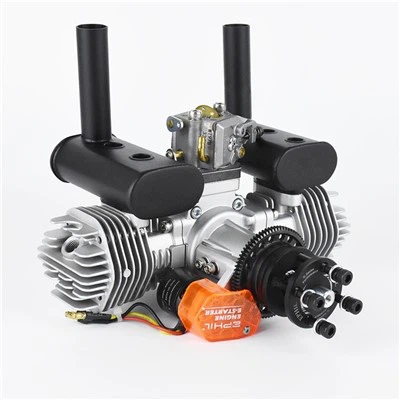
The question of whether gasoline engines can run on diesel is a complex one and involves understanding the fundamental differences between gasoline and diesel engines, as well as the properties of the fuels themselves.
Differences Between Gasoline and Diesel Engines
Gasoline and diesel engines are both internal combustion engines, but they operate on different principles and require different types of fuel. The main differences include:
- Ignition Method: Gasoline engines use spark plugs to ignite the air-fuel mixture, while diesel engines rely on compression ignition, where the heat generated by compressing the air-fuel mixture causes it to combust.
- Fuel Type: Gasoline is a volatile liquid that vaporizes easily, whereas diesel is a heavier, less volatile fuel.
- Compression Ratio: Diesel engines have higher compression ratios compared to gasoline engines, which allows them to generate more power from the same amount of fuel.
- Efficiency: Diesel engines are generally more efficient than gasoline engines, producing more energy per unit of fuel consumed.
Challenges of Running a Gasoline Engine on Diesel
Given the differences outlined above, running a gasoline engine on diesel presents several challenges:
- Ignition Issues: Gasoline engines are designed to use spark plugs to ignite the air-fuel mixture. Diesel, however, has a higher flash point and does not ignite as easily as gasoline, making it difficult to achieve proper combustion in a gasoline engine.
- Fuel System Compatibility: Gasoline engines have fuel systems designed to handle the specific properties of gasoline, including its volatility and viscosity. Diesel fuel would likely clog the fuel injectors or carburetor, leading to poor performance or engine failure.
- Compression Ratio: The lower compression ratio of gasoline engines is not sufficient to achieve the high temperatures required for diesel combustion, resulting in incomplete combustion and reduced efficiency.
- Emissions and Pollution: Incomplete combustion of diesel in a gasoline engine would likely produce excessive amounts of soot, carbon monoxide, and other pollutants, violating environmental regulations and causing harm to public health.
Potential Consequences
Attempting to run a gasoline engine on diesel could lead to several negative outcomes:
- Engine Damage: The fuel system, including the fuel pump, injectors, and possibly even the pistons and valves, could be damaged due to the incompatibility of the fuel.
- Poor Performance: The engine would likely run poorly, with misfires, rough idling, and reduced power output.
- Increased Emissions: As mentioned earlier, incomplete combustion would result in higher emissions of harmful pollutants.
- Voided Warranty: If you attempt to run your gasoline engine on diesel, any warranty on the vehicle or engine may be voided.
Conclusion
In conclusion, while theoretically, it might be possible to modify a gasoline engine to run on diesel, it is not practical or advisable to do so without significant engineering modifications. The fundamental differences between gasoline and diesel engines, as well as the properties of the fuels themselves, make it challenging to achieve reliable performance and efficiency. It is always best to use the type of fuel for which your engine was specifically designed.